

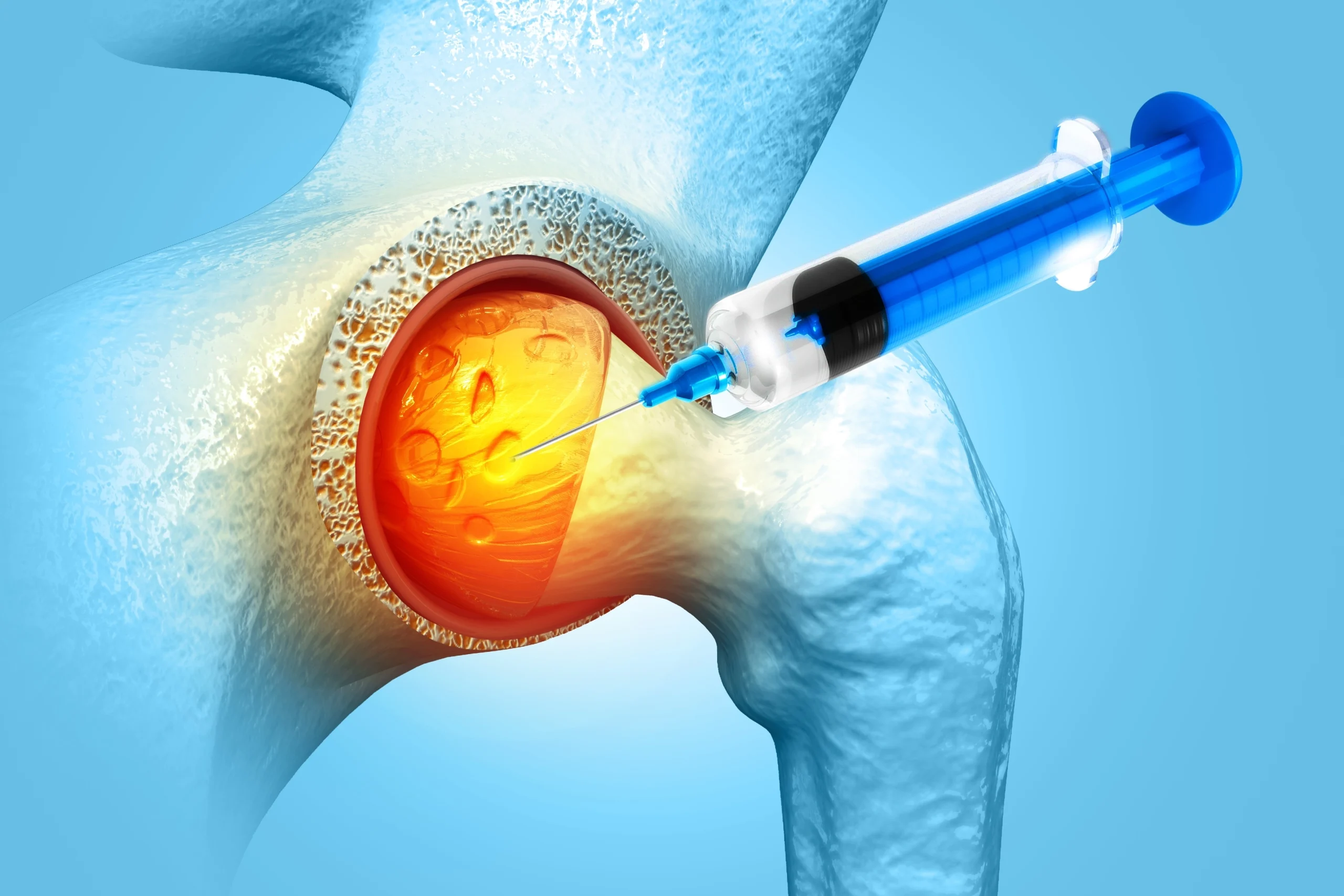
Understanding Cortisone Injections and Their Limitations
Cortisone shots have been a mainstay in managing joint inflammation for decades. These injections deliver powerful anti-inflammatory medication directly into the affected area, providing temporary relief that can last anywhere from a few weeks to several months. However, the medical community has become increasingly aware of the potential drawbacks associated with repeated use.
Research suggests that frequent corticosteroid use may actually accelerate joint deterioration over time. The medication can break down cartilage, weaken surrounding tissues, and potentially mask underlying problems that need different interventions. This is particularly concerning for individuals with degenerative conditions who may be tempted to rely on these injections as a long-term solution.
Palm Beach Health Center offers natural hip joint injections that provide significant pain relief without the adverse side effects of steroids.
Hip Pain: Causes and Traditional Treatment Approaches
Hip pain affects many people in the U.S., stemming from various causes, including arthritis, bursitis, tendinitis, labral tears, and general wear and tear. The discomfort can significantly impact mobility, sleep quality, and overall quality of life, prompting many individuals to seek quick relief through injectable treatments.
Traditional treatment protocols typically begin with conservative measures like physical therapy, oral anti-inflammatory medications, and lifestyle modifications. When these approaches provide insufficient relief, healthcare providers often turn to injections as the next step before considering surgical options.
However, the conventional reliance on corticosteroids is being challenged by emerging evidence and newer alternatives. While cortisone injections can provide rapid symptom relief, they don’t address the underlying cause of joint problems and may contribute to long-term tissue damage with repeated use.
The Risks of Frequent Injections in the Hip
The hip joint is particularly vulnerable to the adverse effects of repeated corticosteroid exposure. Unlike some other joints in the body, the hip bears substantial weight and stress during daily activities, making the integrity of its cartilage and surrounding structures critically important.
Studies have documented several concerning side effects from frequent cortisone use in weight-bearing joints. These include:
- Cartilage Degradation: Repeated exposure to corticosteroids can accelerate the breakdown of articular cartilage, the smooth tissue that cushions the joint surfaces. This is especially problematic for individuals already dealing with degenerative conditions.
- Bone Weakening: There’s evidence that frequent injections may lead to localized bone loss or osteonecrosis, where bone tissue dies due to reduced blood supply.
- Tendon Rupture: The medications can weaken tendons around the injection site, increasing the risk of tears or ruptures, particularly in active individuals.
- Elevated Blood Sugar: For people with diabetes or prediabetes, corticosteroids can cause temporary spikes in blood glucose levels.
- Infection Risk: Each injection carries a small risk of introducing bacteria into the joint space, potentially leading to serious infections.
These risks compound with each additional injection, which is why medical guidelines emphasize spacing out treatments and limiting total annual doses.
Osteoarthritis of the Hip: A Special Consideration
Osteoarthritis of the hip is one of the most common reasons people seek corticosteroid injections. This degenerative condition involves the progressive wearing away of cartilage, leading to bone-on-bone friction, inflammation, and significant pain. While cortisone shots can temporarily reduce inflammation and discomfort, they do nothing to slow or reverse the underlying cartilage loss.
In fact, for osteoarthritis patients, the risk-benefit calculation of repeated corticosteroid use becomes particularly unfavorable. Since the condition is chronic and progressive, relying on injections that may damage already compromised joints can accelerate the path toward hip replacement surgery.
Hyaluronic Acid Injections: An Intermediate Alternative
Hyaluronic acid injections represent one alternative to corticosteroids that has gained traction in recent years. Hyaluronic acid is a naturally occurring substance in joint fluid that provides lubrication and shock absorption. In osteoarthritis, the concentration and quality of hyaluronic acid in the joint decrease.
These injections, sometimes called viscosupplementation, aim to restore the joint’s natural lubrication and may provide pain relief for several months. Unlike corticosteroids, hyaluronic acid doesn’t carry the same risks of tissue damage and can typically be administered more frequently if needed.
However, hyaluronic acid injections have their own limitations, including variable effectiveness across individuals and their suitability primarily for mild to moderate arthritis. They are also more expensive and may not provide the rapid pain relief that corticosteroids offer.
Plant-Based Hip Injections: The Next Generation of Treatment
The most exciting development in joint injection therapy involves plant-based or regenerative medicine approaches. These treatments represent a paradigm shift from symptom suppression to the potential promotion of actual healing and tissue regeneration.
Plant-based injections often contain anti-inflammatory compounds derived from natural sources, along with growth factors and other bioactive substances that may stimulate the body’s own repair mechanisms. Unlike corticosteroids, which can be catabolic (breaking down tissue), these newer therapies are designed to be anabolic, potentially supporting tissue health and regeneration.
Early research and clinical experience suggest that plant-based options may offer several advantages:
- Reduced risk of cartilage and tissue damage
- Potential for more frequent administration without cumulative harm
- Anti-inflammatory effects without immunosuppression
- Possible support for tissue healing rather than just symptom masking
- Better safety profile for long-term management of chronic conditions
How Often Should You Actually Get Cortisone Shots?
Returning to the central question: if you choose to use corticosteroid injections for hip pain, strict limitations are essential. The general consensus among orthopedic specialists is:
- Maximum frequency: 3-4 injections per year
- Minimum spacing: 6 weeks between injections, though many doctors prefer waiting 12 weeks or longer
- Lifetime consideration: Some specialists recommend limiting total lifetime injections to a particular joint to avoid cumulative damage
However, these guidelines represent maximums, not recommendations. The ideal scenario is to use corticosteroids sparingly, only when necessary, and in conjunction with other therapies aimed at addressing the root cause of your hip problems.
Before scheduling repeated injections, consider working with your healthcare provider to explore why your pain keeps returning. Are there biomechanical issues that physical therapy could address? Would weight loss reduce joint stress? Could newer injection alternatives provide longer-lasting relief with fewer risks?
Palm Beach Health Center: Innovative Plant-Based Solutions for Hip Pain Relief
Palm Beach Health Center has positioned itself at the forefront of regenerative medicine by offering plant-based hip injections and other cutting-edge pain management solutions. Understanding the limitations and risks of traditional corticosteroid therapy, our medical team has embraced alternative approaches that prioritize long-term joint health while still providing meaningful pain relief.
Our plant-based injection protocols use naturally derived compounds that support your body’s healing processes rather than simply suppressing inflammation. These treatments may be administered more frequently than traditional cortisone shots without the same concerns about tissue damage, offering a sustainable approach to managing chronic hip conditions.
Beyond injections, Palm Beach Health Center takes a comprehensive approach to hip pain management, combining multiple innovative modalities tailored to each patient’s specific condition. Our treatment protocols may include advanced laser therapy techniques, chiropractic care, regenerative therapies, and patient education focused on lifestyle factors that influence joint health.
What sets Palm Beach Health Centers apart is our commitment to staying current with emerging research and our willingness to move beyond conventional treatments when better options become available. For individuals frustrated with the temporary relief and mounting risks of repeated cortisone shots, our plant-based alternatives offer hope for a different path forward – one that respects the body’s natural healing capacity while providing real, measurable relief.
Conclusion
While a hip corticosteroid injection can effectively relieve pain and treat inflammation in the hip area, the reality is that steroid injections provide only temporary pain relief and carry an increased risk of complications with repeated use. Whether you’re dealing with osteoarthritis pain, rheumatoid arthritis, or soft tissue damage affecting the femoral head, intra-articular corticosteroid injections – also called intraarticular corticosteroid injections – work primarily to decrease inflammation in the injected joint and surrounding synovial fluid.
However, younger patients especially should be cautious about relying on these therapeutic injections, as they may accelerate the need for total hip arthroplasty later in life. Even when administered with ultrasound guidance to ensure precision and combined with a local anesthetic for comfort, a single injection repeated over time may lead to a negative dose-response relationship where a higher dose or frequent use increases systemic effects beyond just the hip area, including a temporary increase in blood sugar and potential swelling that can persist for two weeks.
Modern medicine offers alternatives that may help you experience pain relief without these concerns. PRP injections using platelet-rich plasma, stem cell injections, and plant-based therapeutic injections represent innovative approaches that ease pain and reduce pain while potentially supporting tissue regeneration rather than causing harm. These options may provide more sustainable relief compared to traditional methods. While nonsteroidal anti-inflammatory drugs remain beneficial for many patients, combining them with regenerative injection therapies rather than repeated corticosteroids may offer a balanced strategy for managing chronic hip conditions.