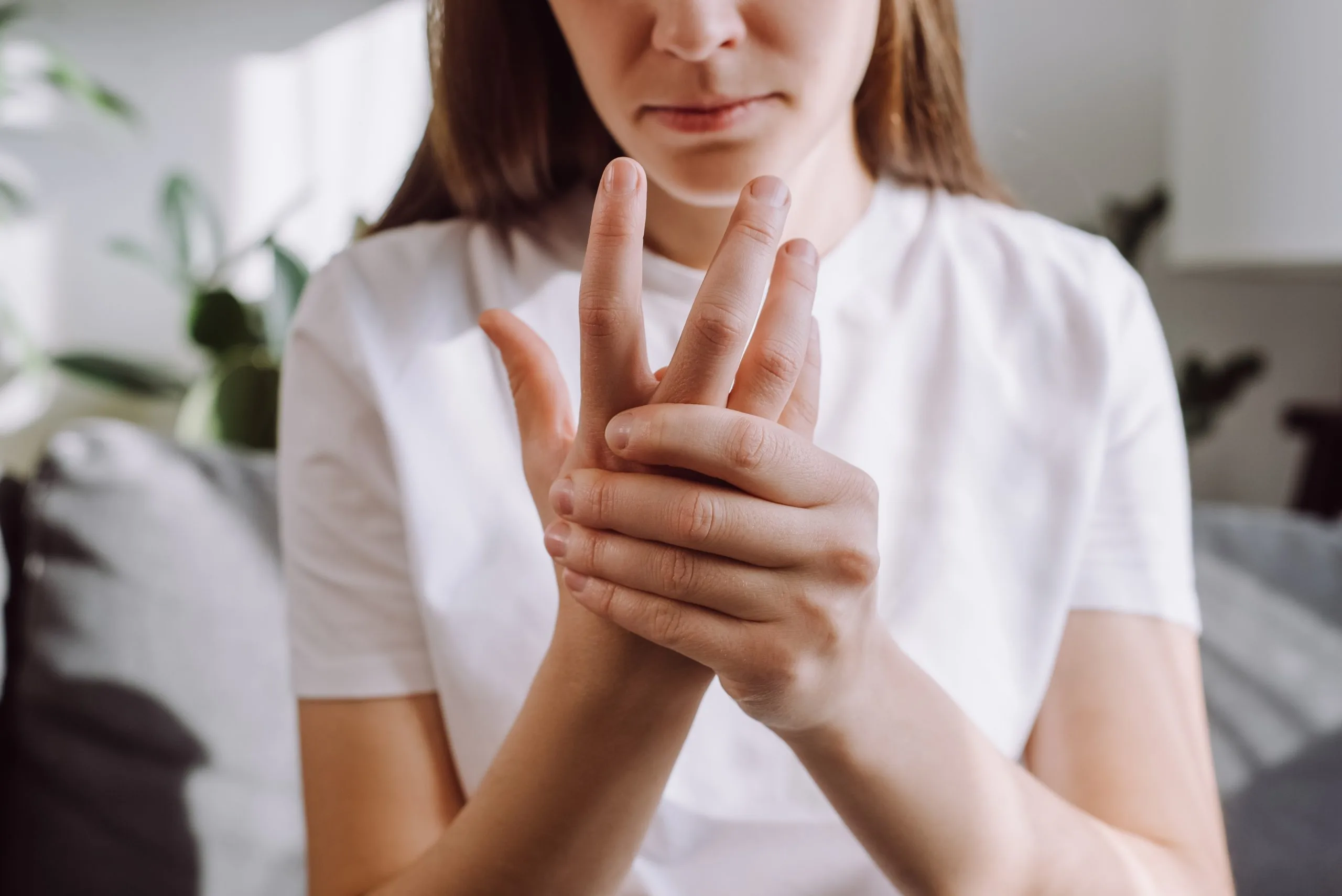
Treating neuropathy involves a comprehensive strategy focused on managing symptoms, addressing the underlying cause, and improving quality of life through a combination of medical management, holistic therapies, and lifestyle adjustments.
At Palm Beach Health Center, the emphasis is on drug-free, non-surgical solutions that empower the body’s natural healing processes to reduce pain and restore function. This integrated approach provides a path toward managing the tingling, numbness, and pain associated with nerve damage.
Peripheral neuropathy is damage to the nerves outside of the brain and spinal cord. It can cause a wide range of symptoms, including weakness, numbness, and pain, most often in the hands and feet. The experience of neuropathy is unique to each individual, which means the treatment plan must be just as personalized. The goal is to move beyond simply masking symptoms and instead address the root causes of nerve dysfunction.
While the term “cure” can be complex when discussing chronic conditions, the outlook for neuropathy is far from hopeless.
For some types of neuropathy caused by a treatable condition (such as a vitamin deficiency or a compressed nerve), addressing the root cause can lead to complete healing of the nerve damage.
For many other forms, especially those linked to chronic diseases like diabetes or those with an unknown cause (idiopathic), the focus shifts from a complete cure to effective, long-term management. The goal becomes to stop the progression of nerve damage, regenerate nerve tissue where possible, alleviate painful symptoms, and restore function.
Through modern regenerative and holistic approaches, many patients can achieve significant, lasting relief and a dramatic improvement in their daily lives.
The primary goals of any effective neuropathy treatment plan are multifaceted and patient-centered. They extend beyond simple pain reduction to encompass a holistic vision of wellness.
Symptom Management: The most immediate goal is to reduce or eliminate the uncomfortable and often debilitating symptoms of neuropathy, such as burning, tingling, sharp pain, and numbness.
Address the Underlying Cause: A successful strategy must look beyond the symptoms. Whether it’s managing blood sugar, correcting a spinal misalignment, or reducing systemic inflammation, treating the source of the nerve damage is crucial for preventing further progression.
Improve Function and Mobility: Neuropathy can affect balance, coordination, and the ability to perform everyday tasks. Treatment should aim to restore strength, improve sensation, and help patients navigate their world with confidence.
Enhance Quality of Life: Ultimately, the objective is to help you return to the activities you love without being held back by pain or discomfort. This means better sleep, more energy, and a greater sense of control over your health.
The conventional approach to neuropathy often begins with pharmacologic interventions designed to manage symptoms. It’s helpful to understand these common options, as they can help many individuals. However, these treatments primarily mask pain signals rather than addressing the underlying nerve damage.
First-line treatments are typically those with the most consistent evidence of effectiveness in clinical trials for neuropathic pain. These often include certain classes of antidepressants and anticonvulsants, which were originally developed for other conditions but were found to have pain-relieving properties.
When first-line medications are ineffective or cause intolerable side effects, physicians may turn to second-line or third-line options. These can include other types of medications, topical treatments, or, in some cases, stronger pain relievers like opioids. The choice depends on the specific type of pain, the patient’s overall health, and their response to previous treatments.
For mild neuropathic pain, some people find relief with over-the-counter (OTC) pain relievers like nonsteroidal anti-inflammatory drugs (NSAIDs), such as ibuprofen and naproxen, or acetaminophen.
For persistent, localized nerve pain, a nerve block may be considered. This procedure involves injecting an anesthetic, often with a steroid, around a specific nerve or group of nerves to interrupt pain signals. While it can provide temporary relief, it is an invasive procedure that does not heal the underlying nerve damage.
While medications can help manage symptoms, the most effective long-term strategies often involve treatments that actively support nerve healing, improve body mechanics, and reduce sources of nerve irritation
At Palm Beach Health Center, we prioritize these drug-free, non-surgical approaches that address the root of the problem. This is a core part of understanding how to treat neuropathy for lasting results.
Our team offers advanced laser therapy as a cornerstone of our neuropathy protocol. This non-invasive therapy uses specific wavelengths of light to penetrate deep into the tissue. This process, known as photobiomodulation, stimulates cellular activity, increases blood flow, reduces inflammation, and accelerates tissue repair. For patients with neuropathy, this can mean reduced pain, improved nerve signaling, and regeneration of damaged nerve fibers, all without drugs or side effects.
When neuropathy symptoms stem from pressure on the spinal nerves – due to conditions like herniated discs or sciatica – spinal decompression can be highly effective. This gentle, non-surgical therapy involves using a motorized table to carefully stretch the spine. This creates a negative pressure within the discs, which can help retract bulging or herniated material, taking pressure off the nerves and allowing for the flow of oxygen and nutrients to promote healing.
Another powerful modality offered at our clinic is shockwave therapy. This treatment uses acoustic pressure waves to stimulate metabolic activity and trigger the body’s natural healing response in the affected area. For neuropathy, it can help break down scar tissue, improve circulation to damaged nerves, and stimulate the formation of new blood vessels, all of which are crucial for nerve repair and pain reduction.
The alignment of your spine is fundamental to the health of your entire nervous system. Corrective chiropractic care at Palm Beach Health Center goes beyond temporary adjustments. A thorough initial exam, including X-rays, helps identify structural shifts in the spine that may be compressing nerves and contributing to your symptoms. A personalized care plan is then developed to correct these misalignments, restoring proper nerve function and creating an optimal environment for the body to heal itself.
For patients with joint-related pain or localized tissue damage contributing to neuropathy, regenerative injections can be a game-changer. These treatments use natural substances to stimulate the body’s own repair mechanisms, reducing inflammation and promoting the regeneration of healthy tissue. This can be particularly helpful for conditions that cause nerve entrapment or chronic inflammation around a nerve.
Sometimes, simple modifications can make a big difference. Ergonomic adjustments at your workstation can reduce nerve strain. Splints or braces can help support joints and keep them in a neutral position, especially at night, to prevent nerve compression (as in carpal tunnel syndrome). For those with significant balance issues, assistive devices, such as canes or walkers, can provide stability and help prevent falls. We may also recommend custom orthotics to correct foot mechanics and provide a stable foundation, reducing strain on the entire kinetic chain.
Physical therapy is essential for rebuilding strength, improving balance, and maintaining mobility in the face of neuropathy. A therapist can design a customized exercise program to target affected areas. Occupational therapy focuses on adapting daily tasks, helping patients find new ways to perform activities that have become difficult due to numbness or weakness, such as buttoning a shirt or using kitchen utensils.
TENS is a therapy that uses low-voltage electrical currents to relieve pain. Electrodes are placed on the skin near the area of pain, and the electrical impulses are thought to either block pain signals from reaching the brain or stimulate the production of the body’s natural painkillers (endorphins).
SCS is a more invasive procedure where a small device, similar to a pacemaker, is surgically implanted under the skin. It delivers low-level electrical impulses to the spinal cord to interrupt pain signals. This is typically reserved for severe, chronic neuropathic pain that has not responded to any other treatments.
True healing happens both inside and outside the clinic. The daily choices you make play a powerful role in managing neuropathy symptoms and supporting the effectiveness of your professional treatments.
Movement is medicine for your nerves. Regular, gentle exercise can improve blood flow to the extremities, which is vital for nerve health. It can also help manage blood sugar levels, reduce pain, improve muscle strength, and enhance balance. Good options include:
Walking: A simple and accessible form of aerobic exercise.
Swimming or Water Aerobics: The buoyancy of water supports the body and reduces stress on joints.
Tai Chi and Yoga: These practices improve balance, flexibility, and body awareness, which can help prevent falls.
Stretching: Gentle stretching can help relieve muscle tension and improve flexibility.
Nerve pain can often worsen at night, disrupting sleep. Unfortunately, a lack of restorative sleep can, in turn, make pain feel more intense. Creating a relaxing bedtime routine, ensuring your bedroom is dark and cool, and avoiding caffeine and heavy meals before bed can help. The treatments you receive at the clinic are designed to reduce the pain that interrupts your sleep, creating a positive cycle of healing and rest.
Living with chronic pain can be emotionally taxing. Stress hormones can exacerbate pain signals, so finding healthy ways to manage stress is a key part of your treatment. This might include mindfulness meditation, deep breathing exercises, spending time in nature, or engaging in hobbies you enjoy. Connecting with support groups or talking with a counselor can also provide valuable emotional support.
While the drug-free therapies at Palm Beach Health Center have minimal to no side effects, if you are taking prescription medications from another provider, it’s important to be aware of potential issues. Common side effects can include drowsiness, dizziness, or dry mouth. Discuss any side effects you experience with your prescribing physician. A key part of our holistic approach is providing effective therapies that help patients reduce their reliance on medications and their associated side effects over time.
What you eat directly impacts inflammation levels, blood sugar control, and the availability of nutrients essential for nerve function. A key part of learning how to treat neuropathy is understanding the power of your diet. Our clinic emphasizes functional nutrition as a pillar of health.
Focus on a whole-foods diet rich in fruits, vegetables, lean proteins, and healthy fats. This provides a broad spectrum of the vitamins, minerals, and antioxidants your body needs to fight inflammation and repair damaged tissues. Staying well-hydrated by drinking plenty of water throughout the day is also crucial for optimal nerve function.
Chronic inflammation is a common contributor to nerve pain. An anti-inflammatory diet emphasizes foods that fight inflammation and minimizes those that promote it.
Include: Fatty fish (salmon, mackerel), leafy greens (spinach, kale), berries, nuts, olive oil, and spices like turmeric and ginger.
Limit: Processed foods, sugary drinks, refined carbohydrates (white bread, pastries), and unhealthy trans fats.
For individuals with diabetic neuropathy, maintaining stable blood sugar levels is the single most important factor in preventing further nerve damage. This involves monitoring carbohydrate intake, choosing high-fiber foods that release sugar slowly, and coordinating your diet with your overall diabetes management plan.
Some people find that certain foods can trigger or worsen their neuropathy symptoms. While this varies from person to person, common culprits can include gluten and artificial sweeteners. Keeping a food diary can help you identify any personal trigger foods that you may be sensitive to.
Certain vitamin and mineral deficiencies can cause or worsen neuropathy. A thorough evaluation can help determine if you have any deficiencies. Supplements that may be beneficial for nerve health, under professional guidance, include:
B Vitamins: B12, B6, and B1 are all critical for nerve function.
Alpha-Lipoic Acid: A powerful antioxidant that has been shown in some studies to improve symptoms of diabetic neuropathy.
Acetyl-L-Carnitine: An amino acid that may help reduce pain.
It is essential to consult with a healthcare professional before starting any new supplement regimen to ensure it is appropriate for you.
In addition to the core treatments offered at Palm Beach Health Center, many patients find that incorporating complementary therapies can further enhance their results and overall well-being.
An ancient Chinese practice, acupuncture involves inserting very thin needles into specific points on the body. It is thought to work by stimulating nerve pathways, releasing endorphins, and improving energy flow (Qi). Many people with neuropathy report that acupuncture helps reduce their pain and improve sensation.
Biofeedback is a mind-body technique that teaches you to control bodily functions that are normally involuntary, such as heart rate, muscle tension, and skin temperature. By using sensors that provide real-time “feedback,” you can learn to relax specific muscles or calm the stress response, which can help alleviate pain.
Practices like meditation, progressive muscle relaxation, and guided imagery can be powerful tools for managing the pain and stress of neuropathy. These techniques help calm the nervous system and can change your brain’s perception of pain over time, making it less intrusive and more manageable.
Warm Baths: Soaking your feet in a warm (not hot) bath can be soothing and can help increase blood flow. Adding Epsom salts can also help relax muscles.
Careful Foot Care: Inspect your feet daily for any cuts, blisters, or sores, as numbness can prevent you from feeling an injury. Keep your feet clean and dry, and wear comfortable, well-fitting shoes.
Gentle Massage: Massaging your feet or having a partner do it can help stimulate blood flow and temporarily relieve pain.
Elevating Your Feet: If you experience swelling, elevating your feet can help reduce fluid buildup and ease discomfort.
If you are experiencing symptoms of neuropathy, such as persistent tingling, burning, numbness, or weakness in your hands or feet, it is important to seek a professional evaluation. Early diagnosis and intervention are key to preventing further damage and achieving the best possible results. A thorough assessment, like the one offered at Palm Beach Health Center, can help identify the underlying cause of your symptoms and create a targeted, effective, and drug-free treatment plan to get you on the road to recovery.
Treating neuropathy effectively requires a shift away from a symptom-masking approach toward a holistic strategy that addresses the root cause of nerve damage. While conventional medicine offers various pharmaceutical options, a comprehensive plan incorporates advanced, drug-free therapies to promote true healing.
At Palm Beach Health Center, we combine technologies like laser therapy, spinal decompression, and shockwave therapy with foundational treatments like corrective chiropractic care and functional nutrition. This integrated approach, focused on regeneration and function, empowers patients to reduce their pain, improve their quality of life, and take back control of their health.

About the Author
Dr. Matthew Symons
June 2, 2026